Upcoming Earnings
Big Tech Headlines a Jam-Packed Earnings Week as Chips and Energy Jockey for the Spotlight
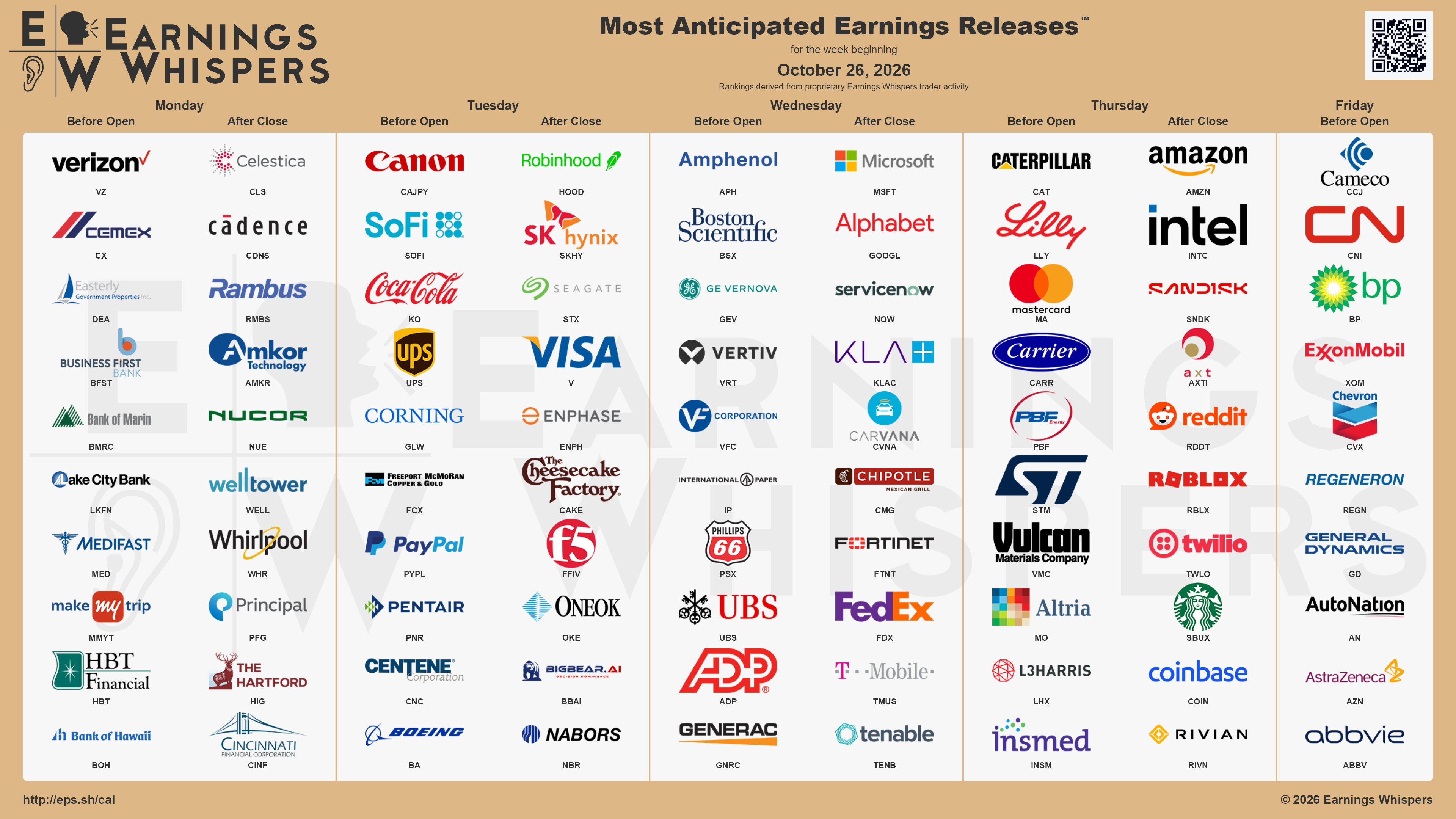
Buckle up, because this is one of those weeks where the market barely has time to catch its breath. The giants of technology take center stage, with Microsoft, Alphabet, and Amazon all stepping up to the plate within days of each other. The mood heading into these reports is a mixed bag. Alphabet looks like it has the wind at its back, buoyed by rising expectations and a steady track record, while Microsoft and Amazon carry a touch more nervous energy despite their undeniable momentum. Options traders are bracing for some fireworks, especially from the richly valued names where even a small stumble can send shares tumbling. Keep an eye on the chip and storage crowd too, where Sandisk, Seagate, and Intel are generating real buzz. Intel in particular has quietly turned a corner, with analysts warming up and the stock entering the week on firmer footing than it has enjoyed in some time.
Beyond the tech marquee, there is plenty of drama to go around. The financial sector offers a classic tug-of-war, with Visa and Mastercard looking poised and polished while PayPal and SoFi face a chillier reception from the smart money. Energy names like Exxon, Chevron, and BP are rolling in with steady confidence as the sector finds its groove, and industrial bellwethers such as Caterpillar and GE Vernova should give investors a useful read on the broader economy. Watch the consumer corner for fireworks of a different kind, as Chipotle and Starbucks tell us whether diners are still willing to splurge, and Whirlpool arrives looking like the week's underdog with sentiment firmly against it. The wild cards are the high-flyers like Coinbase and Robinhood, where excitement runs hot and the swings can be stomach-churning. In short, there is something for every kind of investor this week, and more than enough surprises waiting in the wings to keep things interesting.
Canon Clicks Toward Earnings as Bears Load Up
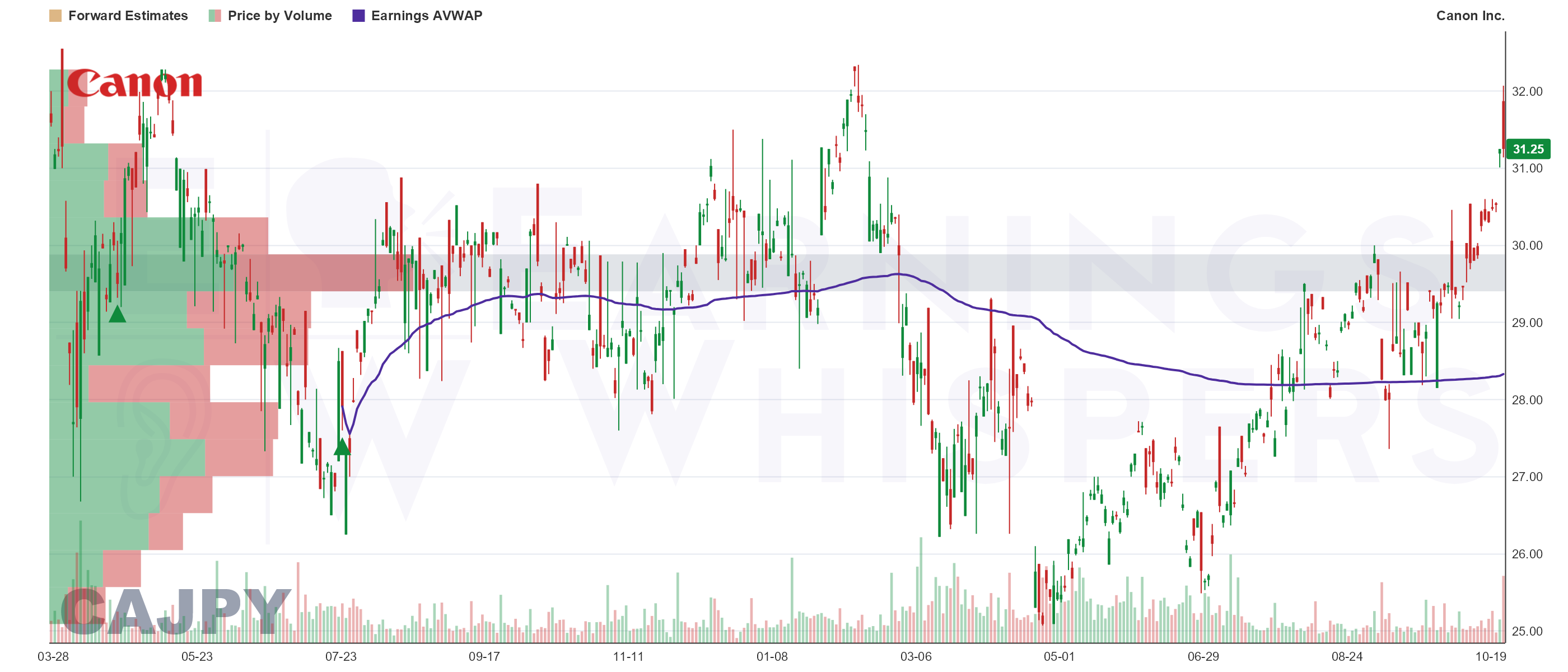
Canon (CAJPY) is locked in to report earnings on Tuesday, October 27, 2026, at roughly midnight ET, so you may want to keep the coffee handy. The mood heading in is downbeat, with 41.3% of investors betting on a miss. The skeptics have been busy too, as short interest has jumped 31.1% since the last report. Still, the stock has quietly drifted 11.0% higher from where it opened after last quarter's results, leaving it 10.3% above its 200 day moving average of $28.34. Analysts have not budged, keeping earnings estimates flat since last time, and the shares have swung an average of 3.4% in recent quarters.
Here is the quick read. You have a stock that keeps grinding higher while the bears pile on harder, which sets up a classic tug of war into the print. With estimates unchanged and a modest 3.4% typical move, the market is not pricing in fireworks, but the surge in short interest hints that plenty of folks expect the rally to run out of film. Watch whether the numbers justify that quiet climb or hand the skeptics their payoff.
Microsoft: Azure's Hot Streak Meets Earnings Day
Microsoft (MSFT) steps up to the plate on Wednesday, October 28, 2026 at about 4:05 PM ET. Wall Street is looking for $4.71 per share on $90.59 billion in revenue, which would be a healthy 16.6% jump from a year ago, but the whisper number is running hotter at $4.93. Management guided to $4.63 to $4.78 per share on revenue between $89.85 billion and $90.95 billion. Here is the funny part: investors are feeling bearish heading in, yet 83.6% of them still expect a beat, so the glass is apparently both half empty and half full. Short sellers have mostly thrown in the towel with short interest down 33.8% since last quarter, and the stock has drifted 19.8% higher to sit 20.1% above its 200 day moving average of $436.75. Estimates have been nudged up across the board. Options traders are bracing for a 5.4% swing, though this stock has averaged a bigger 7.3% move lately, and on October 13 someone scooped up 15,500 of the $575 calls expiring October 30, a clear bet that the fireworks lean to the upside.
The real story is Azure, which keeps shifting into higher gear with growth guided all the way up to roughly 45% last quarter, and Copilot is finally finding its groove with paid seats blowing past 30 million. The order backlog hit a record $678 billion, up 84% from a year ago, so the demand pipeline is stuffed. The catch is that the fun comes at a cost: margins are getting squeezed as Microsoft pours cash into AI buildout, with spending marching toward $175 billion this year, while the PC business and Xbox are both having a rough time. Watch whether the AI engine keeps roaring loud enough to drown out the consumer soft spots and the big spending bill.
Alphabet's Cloud Rocket Meets a Mountain of Spending
Alphabet (GOOGL) is confirmed to report earnings on Wednesday, October 28, 2026 at approximately 4:00 PM ET. Wall Street is looking for $2.94 per share on revenue of $111.64 billion, which would be 9.1% growth from a year ago, but the whisper number is a juicier $3.08. The crowd is leaning optimistic, with nearly 79% betting on a beat, and short sellers have backed off by 6.4% since last quarter. That said, the stock has been treading water, drifting down 0.3% since the last report and sitting 6.2% below its 200 day moving average of $341.22. Options traders are bracing for a 6.2% swing, a bit more than the 3.8% the stock usually moves, and someone made a big bet on October 19 by scooping up over 27,000 call contracts at the $367.50 strike expiring November 20. In short, somebody is expecting fireworks.
Here is the real story heading in: Google Cloud has turned into a growth machine, with revenue up a stunning 82% last quarter and the order backlog ballooning to $514 billion. New customers are piling in, existing ones are blowing past their commitments, and demand for its AI models keeps climbing. The catch is that all this success is expensive. Alphabet raised its spending plan for the second quarter in a row to as much as $205 billion, and that bill pushed free cash flow into the red at negative $5.9 billion. Search growth cooled slightly to 17%, and margins may feel a pinch as Google rents outside capacity to keep up. The bottom line is simple: the business is firing on all cylinders, but investors will be watching whether all that cash being shoveled into AI keeps paying off.
Amazon's Cloud Is On Fire, and the Bears Are Napping
Amazon.com (AMZN) reports earnings this Thursday, October 29, 2026, right around 4:00 PM ET. Wall Street is looking for $2.01 per share on $202.03 billion in revenue, which would be 12.1% growth from a year ago, while the Whisper number sits a touch lower at $1.98. Management had guided revenue to a range of $197.00 billion to $202.00 billion, so the consensus is bumping right up against the top. Here is the funny part: investors are feeling bearish walking in, yet 69.6% of them still expect a beat. That is a lot of hand-wringing for people who think the company will do just fine. Short sellers seem to agree, as short interest has dropped 18.7% since last quarter. The stock has drifted 6.4% lower since the last report but still sits 1.9% above its 200 day moving average of $243.28, and estimates have actually been revised higher. Options traders are bracing for a 7.9% swing, a bit more than the 6.6% average move lately, and somebody made a splashy bet on Monday, October 19, scooping up 29,203 of the $290.00 calls expiring November 20.
The real story here is AWS, which has been accelerating for five straight quarters, hitting +36.7% growth last quarter, the biggest jump in 18 quarters. Even better, the cloud margin that bears swore would get crushed by AI spending instead jumped to roughly 39%, and management says AI margins are actually tracking ahead of the old playbook. Backlog has ballooned and the custom chip business blew past $25 billion. Watch two things on this call. First, the headline revenue growth may look like it is slowing, but that is mostly Prime Day shifting into last quarter, not real weakness, so do not panic over an optical dip. Second, the genuine worry is cost and cash, with memory and drive prices sky-high and capital spending rocketing from $34 billion to $53 billion a quarter, which is squeezing free cash flow and driving fresh debt. If AWS keeps humming and management sounds calm about funding all that building, the nervous bears may want to find a new cave.
Intel's Comeback Story Faces Its Toughest Critic: Earnings Day
Intel (INTC) steps up to the plate after the bell on Thursday, October 29, 2026 at around 4:00 PM ET. Wall Street wants $0.39 per share on $16.44 billion in revenue, which would be a hefty 20.4% jump from last year, but the Earnings Whisper number is sitting higher at $0.47. Management had guided for roughly $0.38 per share on revenue between $15.80 billion and $16.80 billion. The crowd is feeling good, with 67.4% betting on a beat, and estimates have been climbing since last quarter. But not everyone is convinced, as short interest has jumped 30.8% and the stock has slid 13.4% from where it opened after last report, leaving it just 1.6% above its 200 day average of $85.60. Options traders are bracing for a 10.0% swing, right in line with the 10.7% average move lately, and on Friday, October 9, someone made a big bullish bet, scooping up 30,626 of the $125.00 calls expiring in January 2028.
Here is the real story heading in. Last quarter was Intel's best in over 15 years, notching a seventh straight beat with revenue at $16.1 billion and margins that blew past guidance. The data center and AI business is the engine, up a monster 59% from a year ago, and CEO Lip-Bu Tan finally went on offense, cranking up spending plans and committing to new chip technology for 2028. That is a big deal after years of survival talk. The catch? The PC side is limping, memory prices are a headache, and Intel still cannot make chips fast enough to meet demand. Keep an eye on whether that AI momentum holds and whether the spending spree stays funded without a trip to the capital markets.
SoFi Heads Into Earnings With Skeptics Circling, But the Growth Engine Is Humming
SoFi reports before the bell on Tuesday, October 27, 2026, at around 7:00 AM ET, and Wall Street wants $0.17 per share on $1.26 billion in revenue, which would be a tasty 31% jump from last year. The whisper number is a touch higher at $0.18. Here is the fun part: traders are feeling gloomy going in, yet nearly 7 in 10 still expect a beat, so the mood is less doom and more nervous optimism. Short sellers have piled on, bumping up their bets by 15.6% since last quarter, while the stock has slid about 5.7% since its last earnings day and now sits 19.2% below its 200 day average of $18.10. On the brighter side, analysts have actually nudged their estimates higher. Options folks are bracing for a 10.1% swing, a bit more than the usual 7.2%, and on October 7 someone grabbed a hefty 67,546 of the $13 puts expiring November 20, which is a sizable wager that the floor could give way.
Here is what really matters: last quarter SoFi called its own moment an inflection point, and the numbers backed up the swagger. Revenue grew 40%, originations hit a record $14.8 billion including the first ever $10 billion personal loan quarter, and members and products both set records with cross-buy jumping to 51% of new products. Management was confident enough to raise the full year revenue guide to $4.75 to $4.85 billion. The catch is the bottom line. They kept EBITDA guidance flat on purpose because they are reinvesting heavily, and a higher 22% tax rate is quietly shaving about a nickel off EPS. On top of that, the interest rate outlook flipped from expected cuts to possible hikes, which pressures loan values. So the question for Tuesday is simple: will the roaring top line win the day, or will the tax and rate drag plus those bearish put buyers steal the show?
SanDisk's Memory Makeover: From Thumb Drives to Data Center Gold
SanDisk (SNDK) is locked in to report earnings on Thursday, October 29, 2026 at roughly 4:05 PM ET, and this one has the crowd leaning way forward. Wall Street wants $46.23 per share on $10.58 billion in revenue, which would be a jaw-dropping 358.4% jump in sales from a year ago, while the whisper number creeps even higher to $49.13. Management already told us to expect $44.00 to $46.00 per share on $10.30 to $10.80 billion, so the bar is set and nearly everyone is betting it gets cleared, with 91.9% of investors calling for a beat. Short sellers have mostly run for the exits, cutting their bets by 38.7% since last quarter, and the stock has drifted 5.5% higher to sit just above its 200 day average of about $1,232. Options traders are bracing for an 11.0% swing, a bit hotter than the usual 7.8% move, and someone made a loud entrance on October 23 by scooping up 5,233 of the $780 puts expiring October 30. Analysts, meanwhile, keep nudging their numbers up.
Here is the real story: SanDisk has quietly turned itself from a memory chip also-ran into a data center powerhouse. Last quarter revenue rocketed 51% in a single three month stretch, margins climbed for the fifth quarter running to nearly 85%, and management kept using words like transformational and early innings. The engine is their big long-term supply contracts, which exploded to eight customers and nearly $94 billion in guaranteed future revenue, now covering more than half of next year's chips. They also tripled their buyback plans. The one thing to keep an eye on is the sleepier side of the business, as PC and phone demand is soft and consumer sales slipped 32% last quarter, but that is a small dent in an otherwise fast-moving machine. Expect the AI and data center hunger to do the heavy lifting again.
Robinhood Heads Into Earnings Riding a Hot Hand, But Watch the Deposit Dip
Robinhood (HOOD) is set to report earnings on Tuesday, October 27, 2026, at around 4:05 PM ET. Wall Street is looking for $0.56 per share on $1.42 billion in revenue, which would be about 11.5% growth from a year ago, though the Earnings Whisper number sits a notch higher at $0.62. The crowd is feeling good here, with 74.2% expecting a beat. Short interest has crept up 5.1% since last quarter, yet the stock has drifted 4.6% higher and now sits 1.8% above its 200 day moving average of $93.37. Analysts have been nudging estimates upward across the board. Options traders are bracing for a 10.3% swing, a bit more than the 7.4% average move of recent quarters. One eyebrow raiser: on Friday, October 9, someone scooped up 10,111 of the $80 puts expiring December 18, so not everyone is drinking the bull market Kool-Aid.
Last quarter was a barn burner. Revenue hit a record and jumped 32%, margins fattened up, and Robinhood added roughly a million funded customers, the most since it went public. New toys are everywhere: Trump accounts signed up 7 million kids, the Robinhood Chain hit 100 million transactions faster than anyone ever has, and the Gold Card crossed a million holders. Even better, management actually trimmed its spending outlook while launching all this, which is the rare kind of guidance cut that makes investors smile. The one thing to keep an eye on is deposits. July came in at the slowest monthly pace of the year and crypto volumes cooled a touch, so the question Tuesday is whether that was a summer lull or the first sign the party is slowing down.
Shorts Pile In While Whispers Say Beat
SK hynix (SKHY) report lands after the closing bell on Tuesday. Wall Street is looking for $5.96 per share on $66.41 billion in revenue, but the Earnings Whisper number tells a spicier story at $7.25 per share. Investors are leaning bearish heading into the print, yet oddly enough 57.7% of them still expect a beat, so the mood is more nervous than hopeless. The short sellers have gone all in, piling up bets that have jumped a whopping 185.5% since last quarter. Meanwhile the stock has quietly crept 5.4% higher from where it opened after the last report, but it is still sitting 16.7% below its 200 day moving average of $164.41. One encouraging sign is that overall earnings estimates have actually been revised higher since last time. Option traders are bracing for a 9.7% swing, which is a big ask considering the stock has only moved about 2.6% on average in recent quarters.
Here is the tell that caught our eye. On Monday, October 19, someone scooped up 21,053 contracts of the $175.00 calls expiring October 30. That is a sizable wager that the bears about to get squeezed. With short interest nearly tripling and the whisper number running well ahead of the official estimate, this setup has all the makings of a fireworks show. If the company delivers, those crowded short positions could turn into fuel for a sharp move up.
ServiceNow's AI Engine Is Revving, But Bears Still Lurk in the Options Pits
ServiceNow (NOW) is locked in to report earnings on Wednesday, October 28, 2026 at roughly 4:10 PM ET. Wall Street is looking for $1.02 per share on revenue of $4.09 billion, a healthy 20.0% jump from a year ago, while the Earnings Whisper number sits a touch higher at $1.08. Management had guided revenue to around $3.98 billion, so there's room to leap over the bar. Here's the funny part: investors are leaning bearish heading in, yet a whopping 91.7% still expect a beat. Short sellers have largely thrown in the towel, with short interest down 52.2% since last quarter, and the stock has coasted 59.0% higher to sit 37.9% above its 200 day moving average of $115.29. Estimates have actually been nudged lower, option traders are bracing for a 10.5% swing versus the 8.9% average, and on October 16 someone grabbed 5,526 of the $85.00 puts expiring November 20, a notable bearish bet worth watching.
Last quarter was a legitimate flex. Subscription growth re-accelerated to 23% in constant currency, up from 19% the quarter before, and AI bookings blew past the $1 billion mark ahead of schedule, with the company now chasing $1.5 billion by year end. The new cybersecurity push, fueled by the Armis and Vesa deals, is turning into a real growth engine, vaulting ServiceNow toward the top of the pack from a standing start. Management even swapped its defensive crouch for a cocky "we are who we said we were" swagger. The catch for this quarter: gross margins face near-term pressure from heavier AI usage and cloud costs, free cash flow guidance stayed put, and roughly half of last quarter's beat was government on-prem revenue pulled forward, so don't be shocked if the comparisons get a little lumpy.
Growing Fast, Earning Less: The Margin Squeeze Takes Center Stage
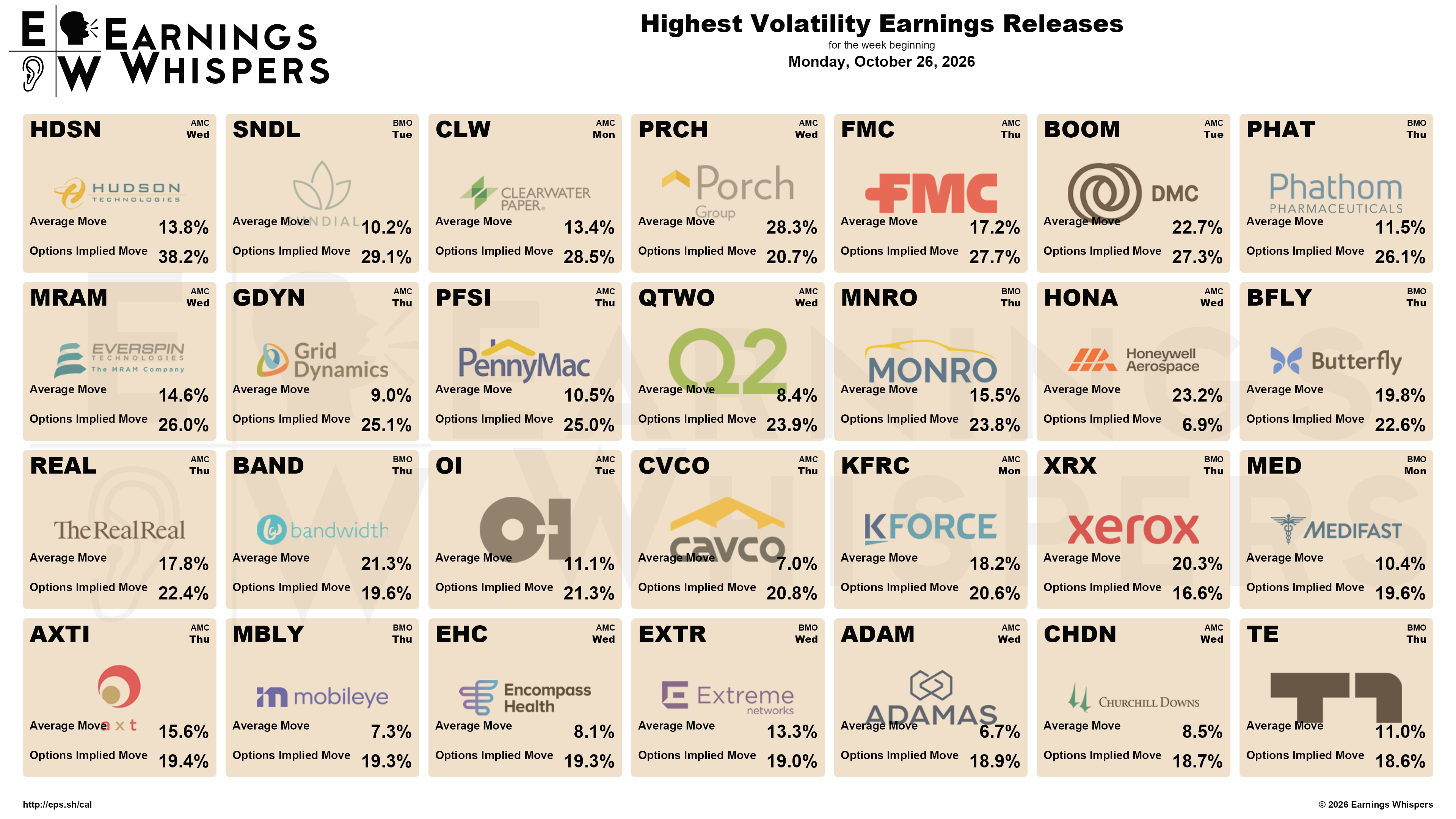
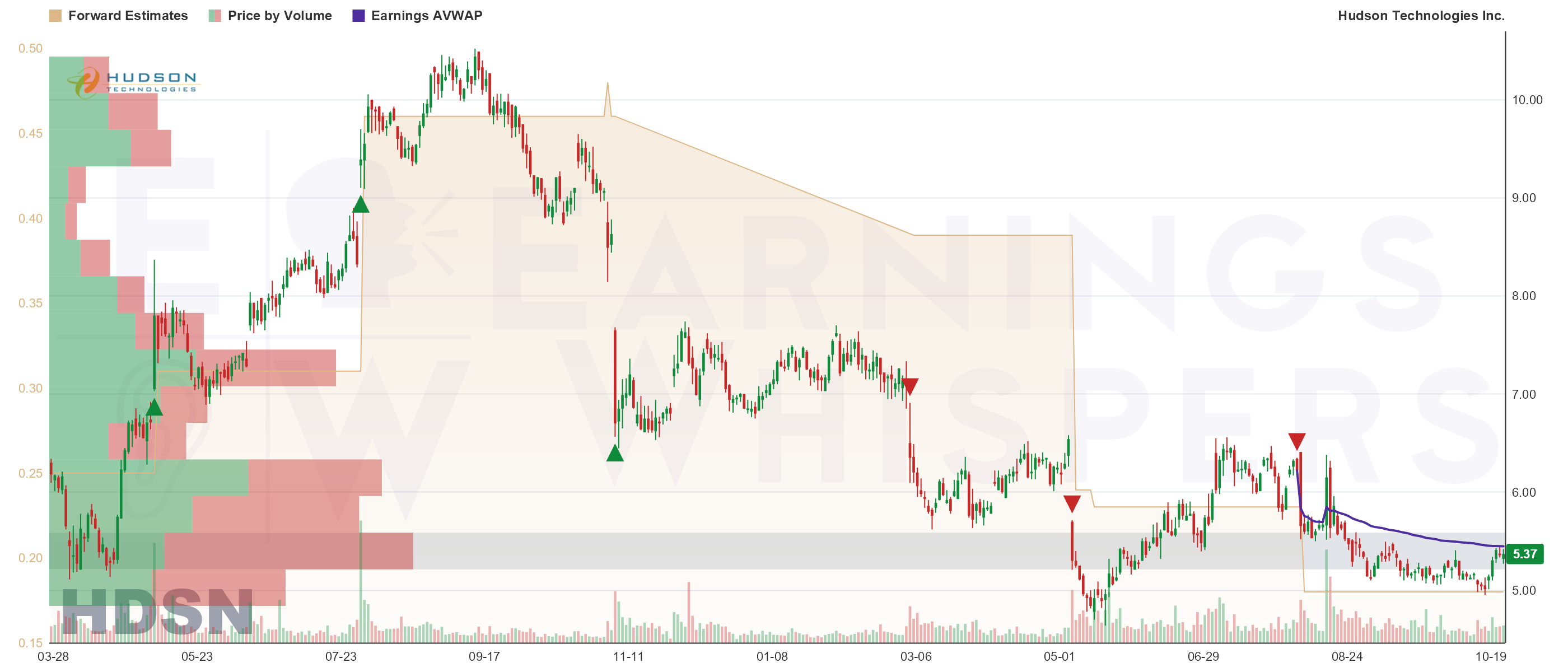
The company reports after the market closes, with Wall Street looking for earnings of $0.11 per share on revenue of $79.42 million, which would mark 7.3% year-over-year growth. The crowd is leaning bearish heading in, even while expecting results to land right about where everyone thinks. The skeptics have been busy: short interest has jumped 29.3% since last quarter, and the stock has slid 15.3% from where it opened after the last report, leaving it 10.3% below its 200-day moving average of $5.99. Analysts have been quietly trimming their estimates too. One thing to buckle up for: this stock has swung an average of 13.8% in recent quarters, so expect fireworks either way.
Here is the real story. This company keeps selling more stuff, with volume up 12% and revenue up 8% last quarter, but it is making a lot less money doing it. Profit got cut in half, gross margins fell from 31% to 26%, and management actually lowered its full-year margin target. The culprits are soft refrigerant pricing, a flood of illegally imported product dragging prices down, pricier freight, and a tornado that knocked out an Illinois plant for three weeks. On the brighter side, they finally won back that big $210 million government contract after a long fight, and they are planting seeds with new partnerships, service deals, and a potential data center opportunity down the road. The question for investors is simple: can they keep growing without the margins bleeding out?
AI Bets and Rising Costs Collide as America's Giants Report Earnings
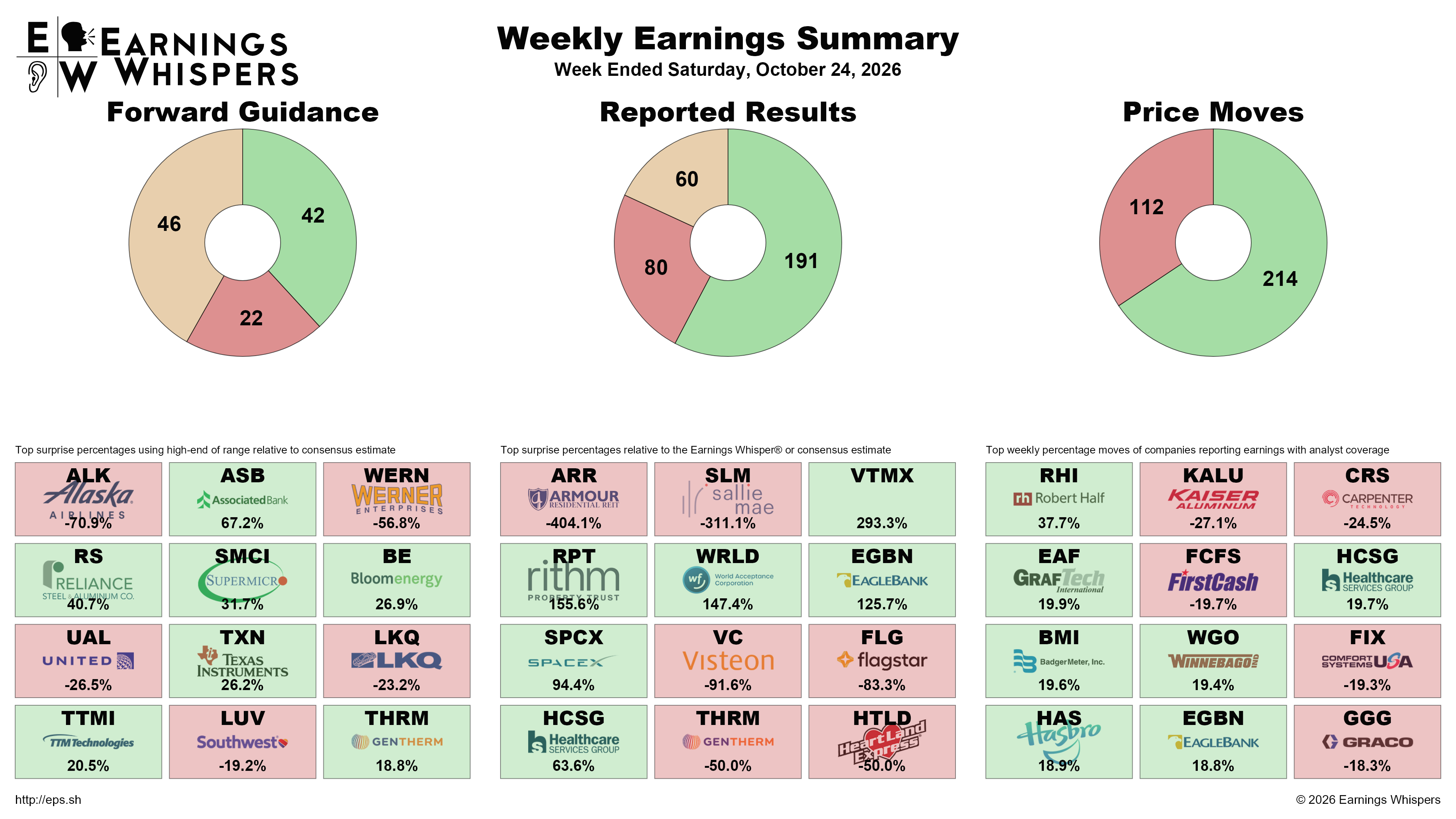
Last week's earnings parade told a story of two very different kinds of companies. On one side stood the builders of the future, spending hand over fist to win the artificial intelligence race. Meta is the poster child: its new Muse personal assistant rocketed to more than 10 million users in just six weeks, and chief executive Mark Zuckerberg boasted that his chatbot has found its footing. But the bill is coming due. A $9.9 billion legal settlement, ballooning expenses and a cash-flow balance that has swung negative sent the stock sliding nearly 10% on the week, even as sales grew a healthy 26%. Tesla told a sunnier version of the same tale, swinging back to positive cash flow while launching its CyberCab robotaxi in Austin and finally starting production on its long-promised Semi truck and Optimus robot. Investors cheered Tesla, but the common thread is clear: the companies spending big on AI and new products are being judged on whether the payoff is real or still a promise.
The defense and industrial crowd, meanwhile, delivered the cleaner wins. Lockheed Martin and RTX both raised their full-year forecasts for the second straight quarter, riding a global arms-buying wave that pushed their order backlogs to eye-popping records of $292 billion and $340 billion respectively, and Lockheed's stock jumped more than 9%. The quieter winners were the steady money machines. Valero printed blockbuster refining profits as shipping bottlenecks widened the gap between cheap and expensive crude, nearly doubling its earnings again. Capital One showed its massive Discover takeover is paying off ahead of schedule, with loan losses shrinking and profits climbing. Yet rising costs nagged nearly everyone. Procter & Gamble saw shoppers return and sales accelerate, but a swelling fuel and freight bill, made worse by oil climbing past $110 a barrel, forced it to hold its outlook flat rather than raise it. General Motors narrowed its profit target and unveiled a giant $20 billion buyback, but warned that its rosy 2027 plans now hinge on commodity prices cooling off. The message from the week was blunt: growth is back, but so is inflation, and the two are wrestling for the upper hand.
SpaceX Blasts Past Estimates as AI Compute Lights the Fuse
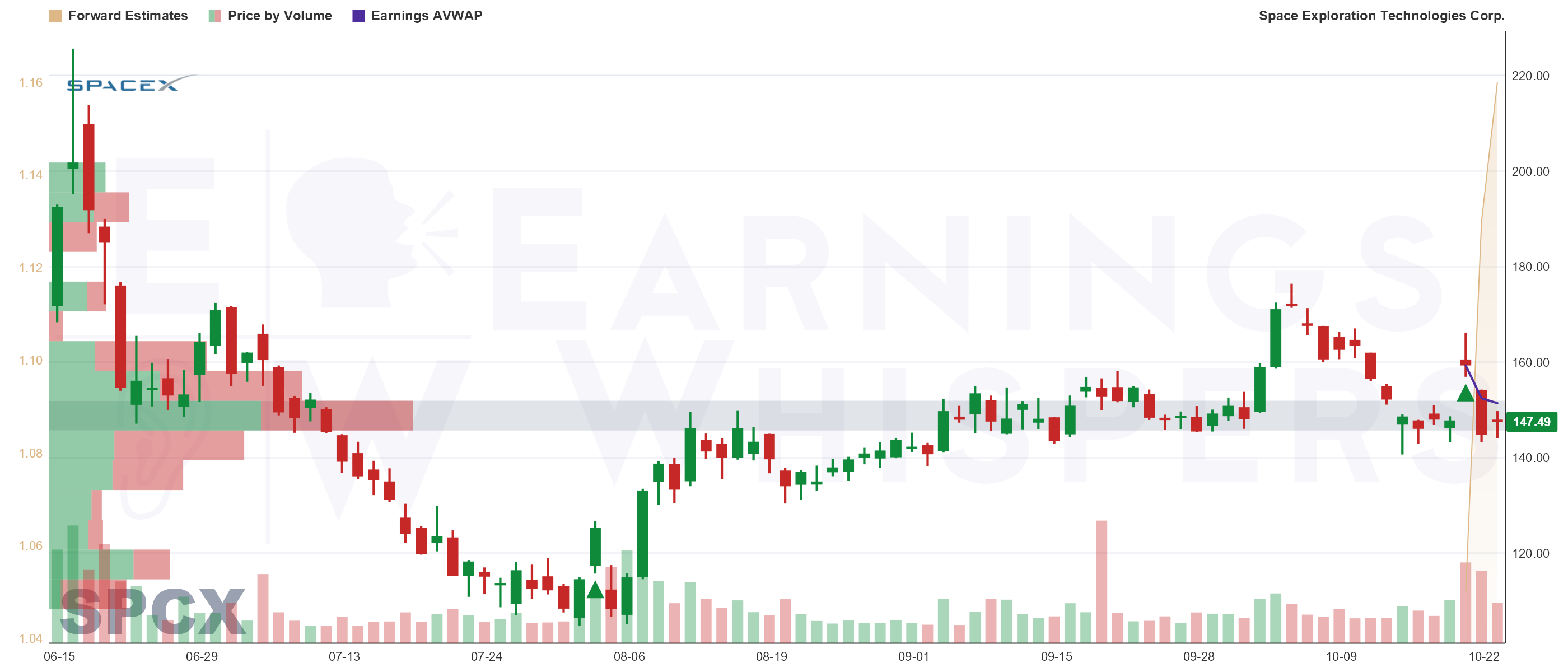
SpaceX (SPCX) just posted earnings of $0.35 per share on revenue of $14.58 billion for the third quarter ended September 2026, blowing past the consensus estimate of $0.10 per share and $12.59 billion in revenue. The Earnings Whisper number was $0.18, so beating that by more than 94 percent is the kind of number that makes analysts spit out their coffee. Simply put, SpaceX is the only company stitching together the hardware and software of the future all at once, spanning space, connectivity, and artificial intelligence. When your business is launching rockets, beaming internet down from orbit, and selling AI compute by the gigawatt, you tend to stand alone.
The engine here is AI compute. Revenue more than doubled from last quarter, the company flipped from a $541 million loss to a $4.4 billion profit, and management raised its year-end compute target while handing out its first-ever forward revenue guide of $33 to $37 billion for early 2027. The one thing to keep an eye on is spending. Fourth-quarter capex is guided to $35 to $40 billion, roughly double the earlier plan, which means a lot of money going out the door to keep this rocket climbing. Margins are also expected to cool a bit next quarter after a one-time tariff refund flattered the latest numbers. Still, with backlog jumping to $63 billion and demand surging across every segment, this is a company firing on all engines.
Meta Beats Big, But the AI Bills Are Coming Due
META Platforms (META) just posted a hefty beat for its third quarter, earning $7.40 per share on $64.60 billion in revenue, sailing past the $6.52 consensus and the $6.65 Earnings Whisper number. That is an 11.28% earnings beat with revenue up a healthy 26.07% from a year ago. Looking ahead, management guided fourth quarter revenue to a range of $73.0 billion to $76.0 billion, bracketing the $73.7 billion the Street was expecting. CEO Mark Zuckerberg was practically doing a victory lap, touting the launch of Muse and Muse Wonder, the company's first frontier AI model, and declaring the core business strong with velocity across the board. In plain English, people are using Meta's apps more than ever and the ad machine keeps humming.
Here is the catch the headlines gloss over. A $9.9 billion legal settlement with state attorneys general crushed GAAP operating margin down to 20% from 41% a year ago, and free cash flow actually went negative to the tune of $2.1 billion. For the first time in a while, Meta owes more than it has in the bank, with $83.7 billion in debt against $82.4 billion in cash. Meanwhile the shiny new Muse AI assistant signed up 10 million users in six weeks, but it burns through computing power and makes no money yet. Expense guidance jumped to $175 to $179 billion, and management quietly dropped its earlier promise that 2026 profits would top 2025. Translation: the growth story is real and the product buzz is loud, but Meta is spending like a sailor on shore leave to win the AI race, and investors should watch whether those bets pay off before the bill gets any bigger.
Netflix Beats, But the Sequel Looks Shaky
Netflix (NFLX) posted third quarter earnings of $0.87 per share on revenue of $12.87 billion, topping the $0.82 consensus and the $0.84 whisper number by about 3.57 percent while revenue climbed a healthy 11.85 percent from a year ago. So far, so good. The plot twist comes with guidance. Management expects fourth quarter earnings of roughly $0.67 per share on revenue of about $13.44 billion, which lands short of Wall Street's $0.73 and $13.54 billion. As a reminder, Netflix is the world's leading streaming service with 222 million paid memberships across more than 190 countries watching shows, documentaries and films in just about every genre and language.
Here is what you really need to know: this was a defensive call. The advertising business, once pitched to roughly double to about $3 billion, is now admittedly running behind thanks to delayed product and partner rollouts, though it is still growing over 80 percent. Management openly confessed the US content slate is hitting doubles and triples but not enough home runs, so they swapped content chief Bela Bajaria for Peter Rice. Add in the biggest layoffs since 2022, which will knock about 120 basis points off fourth quarter margins, and you get a reset in progress. The bright spots are real though. Churn improved, price hikes are sticking, and international is cooking, with India view hours up 24 percent and revenue up nearly 20 percent. Bottom line: the subscription engine still hums, but the ad miss, margin hit, and content stumble make this a modest step back.
Tesla Flips the Switch: Profits, Robotaxis, and Real Cash Flow
Tesla (TSLA) rolled in with earnings of $0.48 per share on revenue of $28.05 billion for the third quarter ended September 2026, cruising past the consensus of $0.44 per share and $27.78 billion, and leaving the Earnings Whisper number of $0.40 in the dust. That is a 20% beat on the bottom line, even though revenue slipped a hair, down 0.17% from the same quarter last year. For a company that designs, builds, and sells high-performance electric cars and the guts that power them, this quarter was less about selling more metal and more about finally making the whole machine hum.
Here is the real story: after years of grinding, Tesla looks like it hit an inflection point. Margins climbed across every segment, free cash flow swung from negative to over $1.5 billion, and the cash pile now tops $45 billion. The fun stuff is moving from slideshow to showroom too, with CyberCab robotaxi rides live in Austin and the fleet growing tenfold in a month, the Semi rolling off the line, and Optimus starting early production. Full Self-Driving paying customers crossed 1.7 million with most new buyers checking the box at delivery. The catch? Some of that juicy energy margin came from one-time tariff refunds, Optimus and unsupervised FSD timelines keep sliding to the right, regulators are peeking at the robotaxi, and the chip-fab dreams will cost tens of billions. Still, demand is now outrunning production, and that is a problem Tesla is happy to have.
Bloom Booms Again: Third Guidance Raise, But Cash Takes a Breather
Bloom Energy Corp Cl A (BE) lit up the scoreboard with third quarter earnings of $0.94 per share on revenue of $1.24 billion for the quarter ended September 2026. Wall Street was looking for just $0.71 per share on $1.07 billion, and even the whisper crowd only dared to dream of $0.84. Bloom blew past the bar by nearly 12% while revenue rocketed 138% from a year ago. This company empowers businesses and communities to responsibly take charge of their energy, and right now it is taking charge of its own momentum too.
Management cranked up the full-year outlook for the third straight time, now guiding to non-GAAP earnings of $3.10 to $3.40 per share on revenue of $4.4 billion to $4.6 billion, up from the old $2.25 to $2.85 per share and $3.9 billion to $4.2 billion. That turns a year that started as 60% growth into a 120% growth story. Add in S&P 500 inclusion, a U.S. Army deal, a 700 megawatt carbon-capture project tied to Google, and first shipments to Texas, and the tone is practically glowing. The one spot to keep an eye on is cash, which went negative this quarter as the company poured money into inventory and new factory lines. That is the price of growing fast, not a sign anyone has stopped buying.
Beyond the tech marquee, there is plenty of drama to go around. The financial sector offers a classic tug-of-war, with Visa and Mastercard looking poised and polished while PayPal and SoFi face a chillier reception from the smart money. Energy names like Exxon, Chevron, and BP are rolling in with steady confidence as the sector finds its groove, and industrial bellwethers such as Caterpillar and GE Vernova should give investors a useful read on the broader economy. Watch the consumer corner for fireworks of a different kind, as Chipotle and Starbucks tell us whether diners are still willing to splurge, and Whirlpool arrives looking like the week's underdog with sentiment firmly against it. The wild cards are the high-flyers like Coinbase and Robinhood, where excitement runs hot and the swings can be stomach-churning. In short, there is something for every kind of investor this week, and more than enough surprises waiting in the wings to keep things interesting.
Canon Clicks Toward Earnings as Bears Load Up
Canon (CAJPY) is locked in to report earnings on Tuesday, October 27, 2026, at roughly midnight ET, so you may want to keep the coffee handy. The mood heading in is downbeat, with 41.3% of investors betting on a miss. The skeptics have been busy too, as short interest has jumped 31.1% since the last report. Still, the stock has quietly drifted 11.0% higher from where it opened after last quarter's results, leaving it 10.3% above its 200 day moving average of $28.34. Analysts have not budged, keeping earnings estimates flat since last time, and the shares have swung an average of 3.4% in recent quarters.
Here is the quick read. You have a stock that keeps grinding higher while the bears pile on harder, which sets up a classic tug of war into the print. With estimates unchanged and a modest 3.4% typical move, the market is not pricing in fireworks, but the surge in short interest hints that plenty of folks expect the rally to run out of film. Watch whether the numbers justify that quiet climb or hand the skeptics their payoff.
Microsoft: Azure's Hot Streak Meets Earnings Day
Microsoft (MSFT) steps up to the plate on Wednesday, October 28, 2026 at about 4:05 PM ET. Wall Street is looking for $4.71 per share on $90.59 billion in revenue, which would be a healthy 16.6% jump from a year ago, but the whisper number is running hotter at $4.93. Management guided to $4.63 to $4.78 per share on revenue between $89.85 billion and $90.95 billion. Here is the funny part: investors are feeling bearish heading in, yet 83.6% of them still expect a beat, so the glass is apparently both half empty and half full. Short sellers have mostly thrown in the towel with short interest down 33.8% since last quarter, and the stock has drifted 19.8% higher to sit 20.1% above its 200 day moving average of $436.75. Estimates have been nudged up across the board. Options traders are bracing for a 5.4% swing, though this stock has averaged a bigger 7.3% move lately, and on October 13 someone scooped up 15,500 of the $575 calls expiring October 30, a clear bet that the fireworks lean to the upside.
The real story is Azure, which keeps shifting into higher gear with growth guided all the way up to roughly 45% last quarter, and Copilot is finally finding its groove with paid seats blowing past 30 million. The order backlog hit a record $678 billion, up 84% from a year ago, so the demand pipeline is stuffed. The catch is that the fun comes at a cost: margins are getting squeezed as Microsoft pours cash into AI buildout, with spending marching toward $175 billion this year, while the PC business and Xbox are both having a rough time. Watch whether the AI engine keeps roaring loud enough to drown out the consumer soft spots and the big spending bill.
Alphabet's Cloud Rocket Meets a Mountain of Spending
Alphabet (GOOGL) is confirmed to report earnings on Wednesday, October 28, 2026 at approximately 4:00 PM ET. Wall Street is looking for $2.94 per share on revenue of $111.64 billion, which would be 9.1% growth from a year ago, but the whisper number is a juicier $3.08. The crowd is leaning optimistic, with nearly 79% betting on a beat, and short sellers have backed off by 6.4% since last quarter. That said, the stock has been treading water, drifting down 0.3% since the last report and sitting 6.2% below its 200 day moving average of $341.22. Options traders are bracing for a 6.2% swing, a bit more than the 3.8% the stock usually moves, and someone made a big bet on October 19 by scooping up over 27,000 call contracts at the $367.50 strike expiring November 20. In short, somebody is expecting fireworks.
Here is the real story heading in: Google Cloud has turned into a growth machine, with revenue up a stunning 82% last quarter and the order backlog ballooning to $514 billion. New customers are piling in, existing ones are blowing past their commitments, and demand for its AI models keeps climbing. The catch is that all this success is expensive. Alphabet raised its spending plan for the second quarter in a row to as much as $205 billion, and that bill pushed free cash flow into the red at negative $5.9 billion. Search growth cooled slightly to 17%, and margins may feel a pinch as Google rents outside capacity to keep up. The bottom line is simple: the business is firing on all cylinders, but investors will be watching whether all that cash being shoveled into AI keeps paying off.
Amazon's Cloud Is On Fire, and the Bears Are Napping
Amazon.com (AMZN) reports earnings this Thursday, October 29, 2026, right around 4:00 PM ET. Wall Street is looking for $2.01 per share on $202.03 billion in revenue, which would be 12.1% growth from a year ago, while the Whisper number sits a touch lower at $1.98. Management had guided revenue to a range of $197.00 billion to $202.00 billion, so the consensus is bumping right up against the top. Here is the funny part: investors are feeling bearish walking in, yet 69.6% of them still expect a beat. That is a lot of hand-wringing for people who think the company will do just fine. Short sellers seem to agree, as short interest has dropped 18.7% since last quarter. The stock has drifted 6.4% lower since the last report but still sits 1.9% above its 200 day moving average of $243.28, and estimates have actually been revised higher. Options traders are bracing for a 7.9% swing, a bit more than the 6.6% average move lately, and somebody made a splashy bet on Monday, October 19, scooping up 29,203 of the $290.00 calls expiring November 20.
The real story here is AWS, which has been accelerating for five straight quarters, hitting +36.7% growth last quarter, the biggest jump in 18 quarters. Even better, the cloud margin that bears swore would get crushed by AI spending instead jumped to roughly 39%, and management says AI margins are actually tracking ahead of the old playbook. Backlog has ballooned and the custom chip business blew past $25 billion. Watch two things on this call. First, the headline revenue growth may look like it is slowing, but that is mostly Prime Day shifting into last quarter, not real weakness, so do not panic over an optical dip. Second, the genuine worry is cost and cash, with memory and drive prices sky-high and capital spending rocketing from $34 billion to $53 billion a quarter, which is squeezing free cash flow and driving fresh debt. If AWS keeps humming and management sounds calm about funding all that building, the nervous bears may want to find a new cave.
Intel's Comeback Story Faces Its Toughest Critic: Earnings Day
Intel (INTC) steps up to the plate after the bell on Thursday, October 29, 2026 at around 4:00 PM ET. Wall Street wants $0.39 per share on $16.44 billion in revenue, which would be a hefty 20.4% jump from last year, but the Earnings Whisper number is sitting higher at $0.47. Management had guided for roughly $0.38 per share on revenue between $15.80 billion and $16.80 billion. The crowd is feeling good, with 67.4% betting on a beat, and estimates have been climbing since last quarter. But not everyone is convinced, as short interest has jumped 30.8% and the stock has slid 13.4% from where it opened after last report, leaving it just 1.6% above its 200 day average of $85.60. Options traders are bracing for a 10.0% swing, right in line with the 10.7% average move lately, and on Friday, October 9, someone made a big bullish bet, scooping up 30,626 of the $125.00 calls expiring in January 2028.
Here is the real story heading in. Last quarter was Intel's best in over 15 years, notching a seventh straight beat with revenue at $16.1 billion and margins that blew past guidance. The data center and AI business is the engine, up a monster 59% from a year ago, and CEO Lip-Bu Tan finally went on offense, cranking up spending plans and committing to new chip technology for 2028. That is a big deal after years of survival talk. The catch? The PC side is limping, memory prices are a headache, and Intel still cannot make chips fast enough to meet demand. Keep an eye on whether that AI momentum holds and whether the spending spree stays funded without a trip to the capital markets.
SoFi Heads Into Earnings With Skeptics Circling, But the Growth Engine Is Humming
SoFi reports before the bell on Tuesday, October 27, 2026, at around 7:00 AM ET, and Wall Street wants $0.17 per share on $1.26 billion in revenue, which would be a tasty 31% jump from last year. The whisper number is a touch higher at $0.18. Here is the fun part: traders are feeling gloomy going in, yet nearly 7 in 10 still expect a beat, so the mood is less doom and more nervous optimism. Short sellers have piled on, bumping up their bets by 15.6% since last quarter, while the stock has slid about 5.7% since its last earnings day and now sits 19.2% below its 200 day average of $18.10. On the brighter side, analysts have actually nudged their estimates higher. Options folks are bracing for a 10.1% swing, a bit more than the usual 7.2%, and on October 7 someone grabbed a hefty 67,546 of the $13 puts expiring November 20, which is a sizable wager that the floor could give way.
Here is what really matters: last quarter SoFi called its own moment an inflection point, and the numbers backed up the swagger. Revenue grew 40%, originations hit a record $14.8 billion including the first ever $10 billion personal loan quarter, and members and products both set records with cross-buy jumping to 51% of new products. Management was confident enough to raise the full year revenue guide to $4.75 to $4.85 billion. The catch is the bottom line. They kept EBITDA guidance flat on purpose because they are reinvesting heavily, and a higher 22% tax rate is quietly shaving about a nickel off EPS. On top of that, the interest rate outlook flipped from expected cuts to possible hikes, which pressures loan values. So the question for Tuesday is simple: will the roaring top line win the day, or will the tax and rate drag plus those bearish put buyers steal the show?
SanDisk's Memory Makeover: From Thumb Drives to Data Center Gold
SanDisk (SNDK) is locked in to report earnings on Thursday, October 29, 2026 at roughly 4:05 PM ET, and this one has the crowd leaning way forward. Wall Street wants $46.23 per share on $10.58 billion in revenue, which would be a jaw-dropping 358.4% jump in sales from a year ago, while the whisper number creeps even higher to $49.13. Management already told us to expect $44.00 to $46.00 per share on $10.30 to $10.80 billion, so the bar is set and nearly everyone is betting it gets cleared, with 91.9% of investors calling for a beat. Short sellers have mostly run for the exits, cutting their bets by 38.7% since last quarter, and the stock has drifted 5.5% higher to sit just above its 200 day average of about $1,232. Options traders are bracing for an 11.0% swing, a bit hotter than the usual 7.8% move, and someone made a loud entrance on October 23 by scooping up 5,233 of the $780 puts expiring October 30. Analysts, meanwhile, keep nudging their numbers up.
Here is the real story: SanDisk has quietly turned itself from a memory chip also-ran into a data center powerhouse. Last quarter revenue rocketed 51% in a single three month stretch, margins climbed for the fifth quarter running to nearly 85%, and management kept using words like transformational and early innings. The engine is their big long-term supply contracts, which exploded to eight customers and nearly $94 billion in guaranteed future revenue, now covering more than half of next year's chips. They also tripled their buyback plans. The one thing to keep an eye on is the sleepier side of the business, as PC and phone demand is soft and consumer sales slipped 32% last quarter, but that is a small dent in an otherwise fast-moving machine. Expect the AI and data center hunger to do the heavy lifting again.
Robinhood Heads Into Earnings Riding a Hot Hand, But Watch the Deposit Dip
Robinhood (HOOD) is set to report earnings on Tuesday, October 27, 2026, at around 4:05 PM ET. Wall Street is looking for $0.56 per share on $1.42 billion in revenue, which would be about 11.5% growth from a year ago, though the Earnings Whisper number sits a notch higher at $0.62. The crowd is feeling good here, with 74.2% expecting a beat. Short interest has crept up 5.1% since last quarter, yet the stock has drifted 4.6% higher and now sits 1.8% above its 200 day moving average of $93.37. Analysts have been nudging estimates upward across the board. Options traders are bracing for a 10.3% swing, a bit more than the 7.4% average move of recent quarters. One eyebrow raiser: on Friday, October 9, someone scooped up 10,111 of the $80 puts expiring December 18, so not everyone is drinking the bull market Kool-Aid.
Last quarter was a barn burner. Revenue hit a record and jumped 32%, margins fattened up, and Robinhood added roughly a million funded customers, the most since it went public. New toys are everywhere: Trump accounts signed up 7 million kids, the Robinhood Chain hit 100 million transactions faster than anyone ever has, and the Gold Card crossed a million holders. Even better, management actually trimmed its spending outlook while launching all this, which is the rare kind of guidance cut that makes investors smile. The one thing to keep an eye on is deposits. July came in at the slowest monthly pace of the year and crypto volumes cooled a touch, so the question Tuesday is whether that was a summer lull or the first sign the party is slowing down.
Shorts Pile In While Whispers Say Beat
SK hynix (SKHY) report lands after the closing bell on Tuesday. Wall Street is looking for $5.96 per share on $66.41 billion in revenue, but the Earnings Whisper number tells a spicier story at $7.25 per share. Investors are leaning bearish heading into the print, yet oddly enough 57.7% of them still expect a beat, so the mood is more nervous than hopeless. The short sellers have gone all in, piling up bets that have jumped a whopping 185.5% since last quarter. Meanwhile the stock has quietly crept 5.4% higher from where it opened after the last report, but it is still sitting 16.7% below its 200 day moving average of $164.41. One encouraging sign is that overall earnings estimates have actually been revised higher since last time. Option traders are bracing for a 9.7% swing, which is a big ask considering the stock has only moved about 2.6% on average in recent quarters.
Here is the tell that caught our eye. On Monday, October 19, someone scooped up 21,053 contracts of the $175.00 calls expiring October 30. That is a sizable wager that the bears about to get squeezed. With short interest nearly tripling and the whisper number running well ahead of the official estimate, this setup has all the makings of a fireworks show. If the company delivers, those crowded short positions could turn into fuel for a sharp move up.
ServiceNow's AI Engine Is Revving, But Bears Still Lurk in the Options Pits
ServiceNow (NOW) is locked in to report earnings on Wednesday, October 28, 2026 at roughly 4:10 PM ET. Wall Street is looking for $1.02 per share on revenue of $4.09 billion, a healthy 20.0% jump from a year ago, while the Earnings Whisper number sits a touch higher at $1.08. Management had guided revenue to around $3.98 billion, so there's room to leap over the bar. Here's the funny part: investors are leaning bearish heading in, yet a whopping 91.7% still expect a beat. Short sellers have largely thrown in the towel, with short interest down 52.2% since last quarter, and the stock has coasted 59.0% higher to sit 37.9% above its 200 day moving average of $115.29. Estimates have actually been nudged lower, option traders are bracing for a 10.5% swing versus the 8.9% average, and on October 16 someone grabbed 5,526 of the $85.00 puts expiring November 20, a notable bearish bet worth watching.
Last quarter was a legitimate flex. Subscription growth re-accelerated to 23% in constant currency, up from 19% the quarter before, and AI bookings blew past the $1 billion mark ahead of schedule, with the company now chasing $1.5 billion by year end. The new cybersecurity push, fueled by the Armis and Vesa deals, is turning into a real growth engine, vaulting ServiceNow toward the top of the pack from a standing start. Management even swapped its defensive crouch for a cocky "we are who we said we were" swagger. The catch for this quarter: gross margins face near-term pressure from heavier AI usage and cloud costs, free cash flow guidance stayed put, and roughly half of last quarter's beat was government on-prem revenue pulled forward, so don't be shocked if the comparisons get a little lumpy.
Growing Fast, Earning Less: The Margin Squeeze Takes Center Stage
The company reports after the market closes, with Wall Street looking for earnings of $0.11 per share on revenue of $79.42 million, which would mark 7.3% year-over-year growth. The crowd is leaning bearish heading in, even while expecting results to land right about where everyone thinks. The skeptics have been busy: short interest has jumped 29.3% since last quarter, and the stock has slid 15.3% from where it opened after the last report, leaving it 10.3% below its 200-day moving average of $5.99. Analysts have been quietly trimming their estimates too. One thing to buckle up for: this stock has swung an average of 13.8% in recent quarters, so expect fireworks either way.
Here is the real story. This company keeps selling more stuff, with volume up 12% and revenue up 8% last quarter, but it is making a lot less money doing it. Profit got cut in half, gross margins fell from 31% to 26%, and management actually lowered its full-year margin target. The culprits are soft refrigerant pricing, a flood of illegally imported product dragging prices down, pricier freight, and a tornado that knocked out an Illinois plant for three weeks. On the brighter side, they finally won back that big $210 million government contract after a long fight, and they are planting seeds with new partnerships, service deals, and a potential data center opportunity down the road. The question for investors is simple: can they keep growing without the margins bleeding out?
AI Bets and Rising Costs Collide as America's Giants Report Earnings
Last week's earnings parade told a story of two very different kinds of companies. On one side stood the builders of the future, spending hand over fist to win the artificial intelligence race. Meta is the poster child: its new Muse personal assistant rocketed to more than 10 million users in just six weeks, and chief executive Mark Zuckerberg boasted that his chatbot has found its footing. But the bill is coming due. A $9.9 billion legal settlement, ballooning expenses and a cash-flow balance that has swung negative sent the stock sliding nearly 10% on the week, even as sales grew a healthy 26%. Tesla told a sunnier version of the same tale, swinging back to positive cash flow while launching its CyberCab robotaxi in Austin and finally starting production on its long-promised Semi truck and Optimus robot. Investors cheered Tesla, but the common thread is clear: the companies spending big on AI and new products are being judged on whether the payoff is real or still a promise.
The defense and industrial crowd, meanwhile, delivered the cleaner wins. Lockheed Martin and RTX both raised their full-year forecasts for the second straight quarter, riding a global arms-buying wave that pushed their order backlogs to eye-popping records of $292 billion and $340 billion respectively, and Lockheed's stock jumped more than 9%. The quieter winners were the steady money machines. Valero printed blockbuster refining profits as shipping bottlenecks widened the gap between cheap and expensive crude, nearly doubling its earnings again. Capital One showed its massive Discover takeover is paying off ahead of schedule, with loan losses shrinking and profits climbing. Yet rising costs nagged nearly everyone. Procter & Gamble saw shoppers return and sales accelerate, but a swelling fuel and freight bill, made worse by oil climbing past $110 a barrel, forced it to hold its outlook flat rather than raise it. General Motors narrowed its profit target and unveiled a giant $20 billion buyback, but warned that its rosy 2027 plans now hinge on commodity prices cooling off. The message from the week was blunt: growth is back, but so is inflation, and the two are wrestling for the upper hand.
SpaceX Blasts Past Estimates as AI Compute Lights the Fuse
SpaceX (SPCX) just posted earnings of $0.35 per share on revenue of $14.58 billion for the third quarter ended September 2026, blowing past the consensus estimate of $0.10 per share and $12.59 billion in revenue. The Earnings Whisper number was $0.18, so beating that by more than 94 percent is the kind of number that makes analysts spit out their coffee. Simply put, SpaceX is the only company stitching together the hardware and software of the future all at once, spanning space, connectivity, and artificial intelligence. When your business is launching rockets, beaming internet down from orbit, and selling AI compute by the gigawatt, you tend to stand alone.
The engine here is AI compute. Revenue more than doubled from last quarter, the company flipped from a $541 million loss to a $4.4 billion profit, and management raised its year-end compute target while handing out its first-ever forward revenue guide of $33 to $37 billion for early 2027. The one thing to keep an eye on is spending. Fourth-quarter capex is guided to $35 to $40 billion, roughly double the earlier plan, which means a lot of money going out the door to keep this rocket climbing. Margins are also expected to cool a bit next quarter after a one-time tariff refund flattered the latest numbers. Still, with backlog jumping to $63 billion and demand surging across every segment, this is a company firing on all engines.
Meta Beats Big, But the AI Bills Are Coming Due
META Platforms (META) just posted a hefty beat for its third quarter, earning $7.40 per share on $64.60 billion in revenue, sailing past the $6.52 consensus and the $6.65 Earnings Whisper number. That is an 11.28% earnings beat with revenue up a healthy 26.07% from a year ago. Looking ahead, management guided fourth quarter revenue to a range of $73.0 billion to $76.0 billion, bracketing the $73.7 billion the Street was expecting. CEO Mark Zuckerberg was practically doing a victory lap, touting the launch of Muse and Muse Wonder, the company's first frontier AI model, and declaring the core business strong with velocity across the board. In plain English, people are using Meta's apps more than ever and the ad machine keeps humming.
Here is the catch the headlines gloss over. A $9.9 billion legal settlement with state attorneys general crushed GAAP operating margin down to 20% from 41% a year ago, and free cash flow actually went negative to the tune of $2.1 billion. For the first time in a while, Meta owes more than it has in the bank, with $83.7 billion in debt against $82.4 billion in cash. Meanwhile the shiny new Muse AI assistant signed up 10 million users in six weeks, but it burns through computing power and makes no money yet. Expense guidance jumped to $175 to $179 billion, and management quietly dropped its earlier promise that 2026 profits would top 2025. Translation: the growth story is real and the product buzz is loud, but Meta is spending like a sailor on shore leave to win the AI race, and investors should watch whether those bets pay off before the bill gets any bigger.
Netflix Beats, But the Sequel Looks Shaky
Netflix (NFLX) posted third quarter earnings of $0.87 per share on revenue of $12.87 billion, topping the $0.82 consensus and the $0.84 whisper number by about 3.57 percent while revenue climbed a healthy 11.85 percent from a year ago. So far, so good. The plot twist comes with guidance. Management expects fourth quarter earnings of roughly $0.67 per share on revenue of about $13.44 billion, which lands short of Wall Street's $0.73 and $13.54 billion. As a reminder, Netflix is the world's leading streaming service with 222 million paid memberships across more than 190 countries watching shows, documentaries and films in just about every genre and language.
Here is what you really need to know: this was a defensive call. The advertising business, once pitched to roughly double to about $3 billion, is now admittedly running behind thanks to delayed product and partner rollouts, though it is still growing over 80 percent. Management openly confessed the US content slate is hitting doubles and triples but not enough home runs, so they swapped content chief Bela Bajaria for Peter Rice. Add in the biggest layoffs since 2022, which will knock about 120 basis points off fourth quarter margins, and you get a reset in progress. The bright spots are real though. Churn improved, price hikes are sticking, and international is cooking, with India view hours up 24 percent and revenue up nearly 20 percent. Bottom line: the subscription engine still hums, but the ad miss, margin hit, and content stumble make this a modest step back.
Tesla Flips the Switch: Profits, Robotaxis, and Real Cash Flow
Tesla (TSLA) rolled in with earnings of $0.48 per share on revenue of $28.05 billion for the third quarter ended September 2026, cruising past the consensus of $0.44 per share and $27.78 billion, and leaving the Earnings Whisper number of $0.40 in the dust. That is a 20% beat on the bottom line, even though revenue slipped a hair, down 0.17% from the same quarter last year. For a company that designs, builds, and sells high-performance electric cars and the guts that power them, this quarter was less about selling more metal and more about finally making the whole machine hum.
Here is the real story: after years of grinding, Tesla looks like it hit an inflection point. Margins climbed across every segment, free cash flow swung from negative to over $1.5 billion, and the cash pile now tops $45 billion. The fun stuff is moving from slideshow to showroom too, with CyberCab robotaxi rides live in Austin and the fleet growing tenfold in a month, the Semi rolling off the line, and Optimus starting early production. Full Self-Driving paying customers crossed 1.7 million with most new buyers checking the box at delivery. The catch? Some of that juicy energy margin came from one-time tariff refunds, Optimus and unsupervised FSD timelines keep sliding to the right, regulators are peeking at the robotaxi, and the chip-fab dreams will cost tens of billions. Still, demand is now outrunning production, and that is a problem Tesla is happy to have.
Bloom Booms Again: Third Guidance Raise, But Cash Takes a Breather
Bloom Energy Corp Cl A (BE) lit up the scoreboard with third quarter earnings of $0.94 per share on revenue of $1.24 billion for the quarter ended September 2026. Wall Street was looking for just $0.71 per share on $1.07 billion, and even the whisper crowd only dared to dream of $0.84. Bloom blew past the bar by nearly 12% while revenue rocketed 138% from a year ago. This company empowers businesses and communities to responsibly take charge of their energy, and right now it is taking charge of its own momentum too.
Management cranked up the full-year outlook for the third straight time, now guiding to non-GAAP earnings of $3.10 to $3.40 per share on revenue of $4.4 billion to $4.6 billion, up from the old $2.25 to $2.85 per share and $3.9 billion to $4.2 billion. That turns a year that started as 60% growth into a 120% growth story. Add in S&P 500 inclusion, a U.S. Army deal, a 700 megawatt carbon-capture project tied to Google, and first shipments to Texas, and the tone is practically glowing. The one spot to keep an eye on is cash, which went negative this quarter as the company poured money into inventory and new factory lines. That is the price of growing fast, not a sign anyone has stopped buying.